Inside Aerolite (Our Aim)
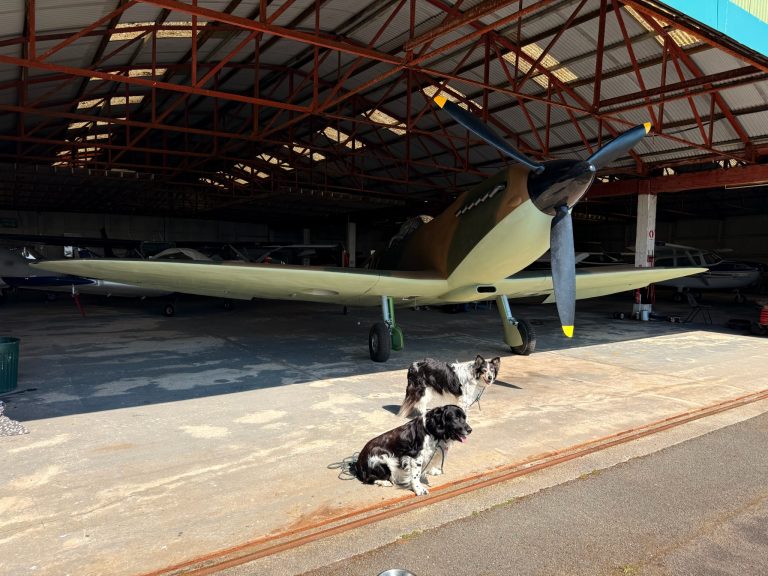
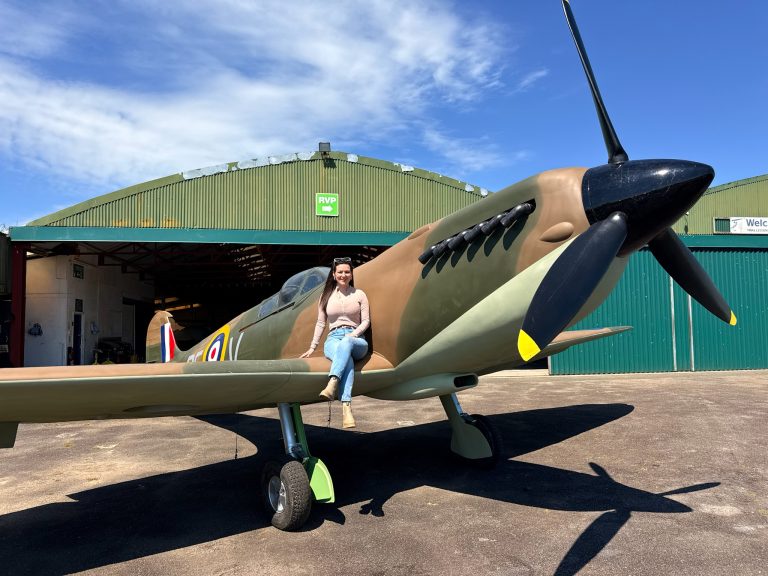
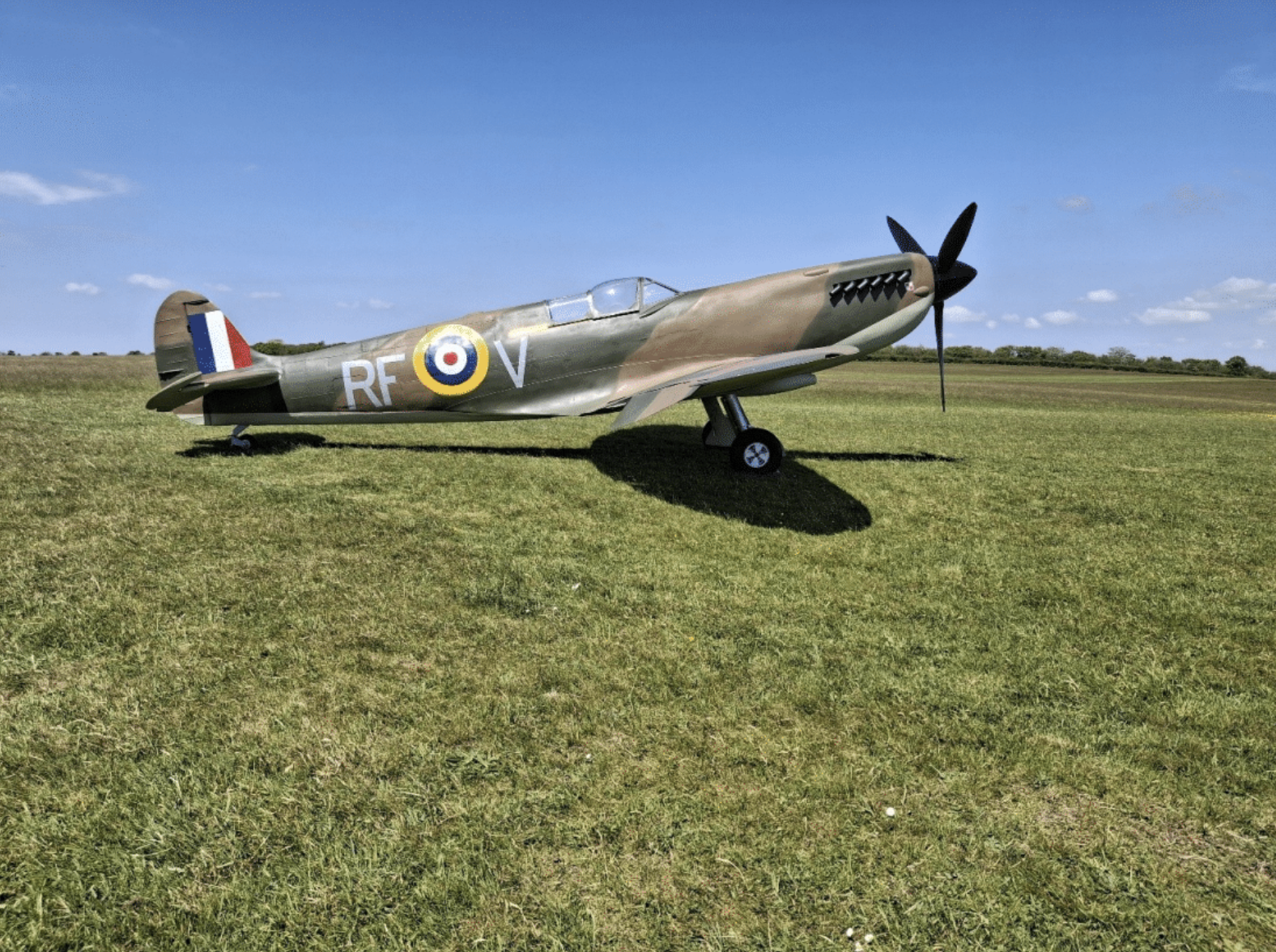
We have created a visually authentic, full-scale kit-form Spitfire that can be built by amateurs (or assembled with our build assist package), privately owned and flown at a realistic cost.
Aerolite Spitfire preserves the proportions, presence and unmistakable character of the original aircraft while applying modern materials, manufacturing techniques and 21st-century engineering.
It is NOT a replica. It is an entirely new aircraft designed specifically for a modern recreational and aerobatic role.
Aerolite Spitfire Design Brief
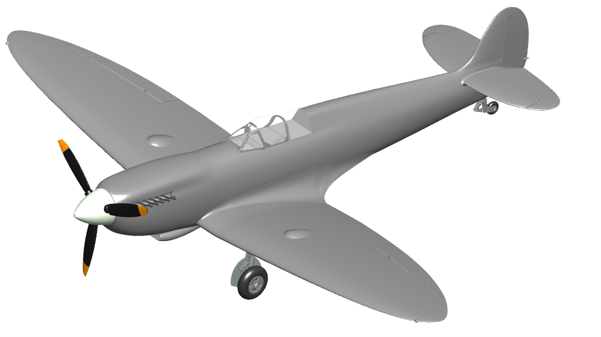
The Aerolite Spitfire is styled principally on the high-back Mk IX and Mk XIX Spitfires. Its form remains unmistakably Spitfire, but several carefully considered changes accommodate a lighter modern engine, a second pilot and the requirements of today’s and tomorrow’s recreational flying.
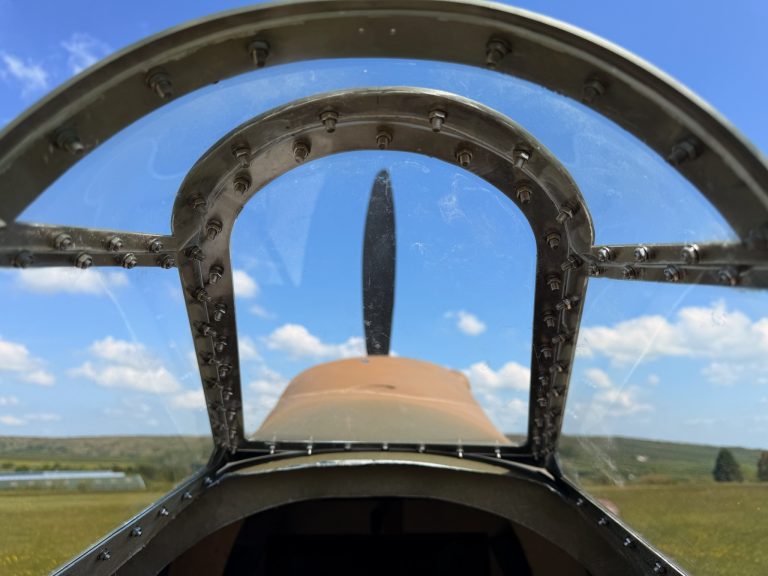
- Appearance and configuration — The Griffon-length nose is close in proportion to that of the Mk XIX. The tandem cockpit has been moved forward accommodating a second pilot while retaining the visual balance of a Merlin-powered Mk IX. The rear canopy is approximately 50% longer than the original, helping retain the appearance of a single-seat fighter.
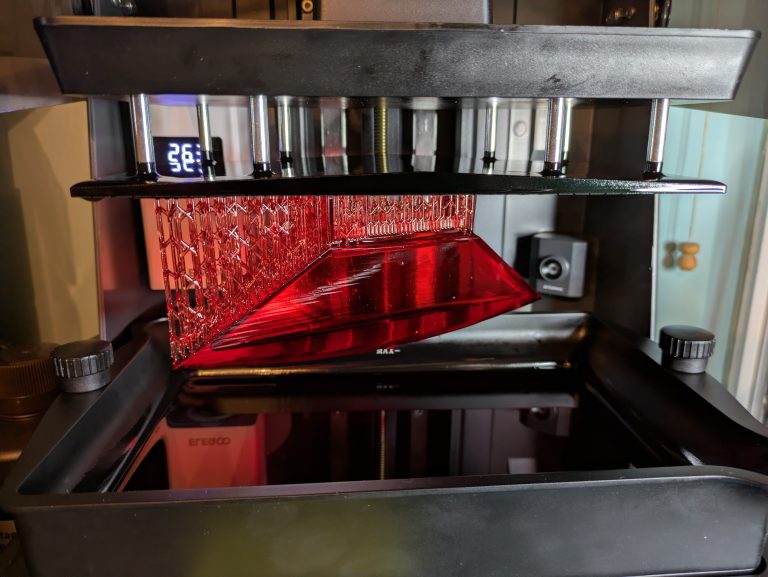
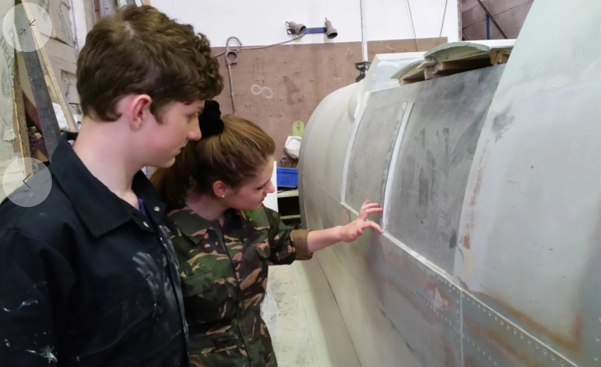
- Composite construction — The airframe is constructed principally from moulded glass and carbon-fibre/epoxy composites, for high structural strength at substantially reduced weight.
- Aerodynamic character — The aerodynamic form remains as faithful to the Spitfire as practical while being adapted to the Aerolite’s lower weight, modern powerplant and recreational role.
- Enlarged tail group —greater stability and control authority.
- Ventral airbrake —reduces float during landing.
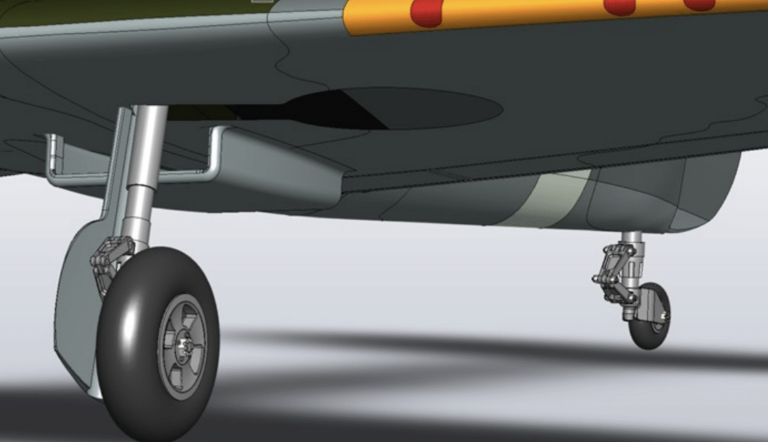
- Wider undercarriage — approximately 50% wider than the original Spitfire, significantly improving ground handling and stability.
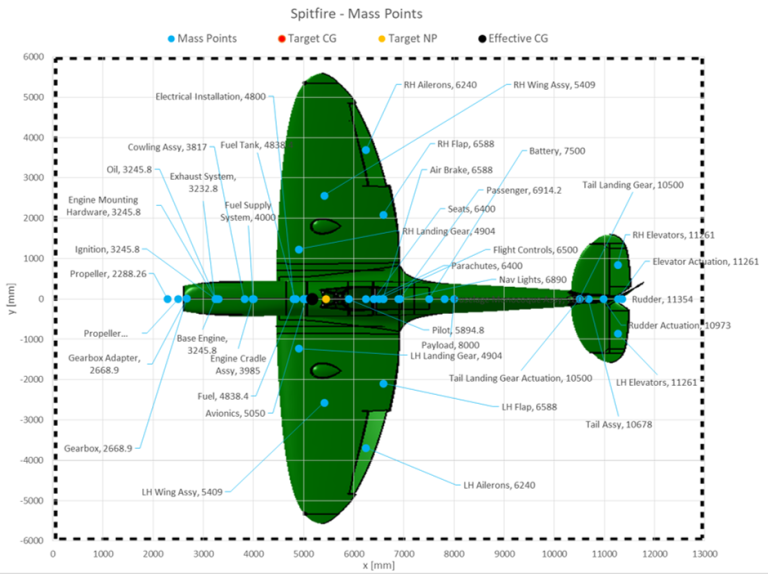
- Griffon-length nose — helps compensate for the lighter modern engine and the weight of the second pilot, maintaining the required centre-of-gravity range.
- Detachable wings — reduce hangarage requirements and make road transport practical.
- Low weight and modest power — maximum take-off weight is approximately 75% that of a Mk I Spitfire, while the 400 hp engine provides around 40% of the Mk I’s power.
- Aerobatic capability — design limit load factors are +6g / –4g, appropriate to the aircraft’s intended aerobatic role.
- Maximum design speed — approximately 220 mph in level flight at sea level under standard atmospheric conditions.
- Range and endurance — anticipated range is approximately 1,000 miles at 174 knots (200 mph) at maximum design weight with two crew, with an endurance of approximately five hours plus a 30-minute fuel reserve.
The Aerolite Spitfire preserves the shape, presence and character of the original, while providing the safety, practicality and operating economics expected of a modern recreational aircraft.
Contact denise.mullen@aerolite-spitfire.com
#Spitfire #Kitplane #HomebuiltAircraft #GeneralAviation #PrivatePilot #supermarinespitfire #raf #warbirds #avgeek