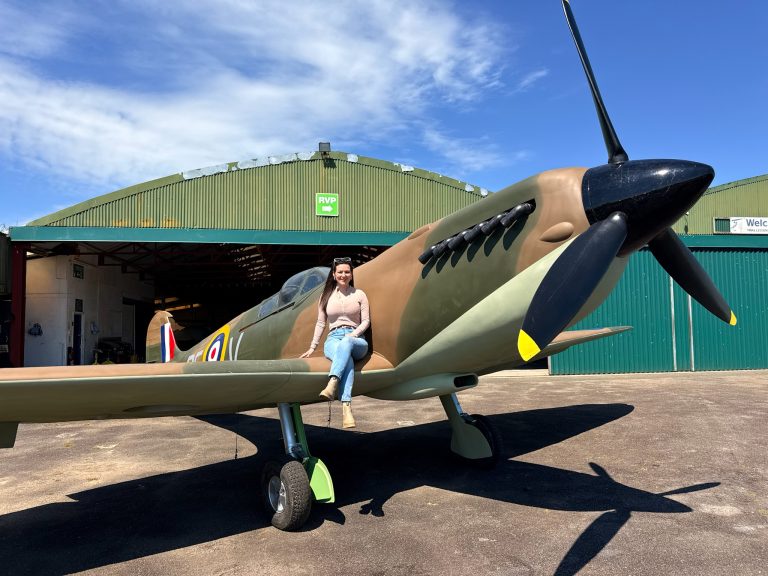
Rebirth of an Icon: The Spitfire for the 21st Century
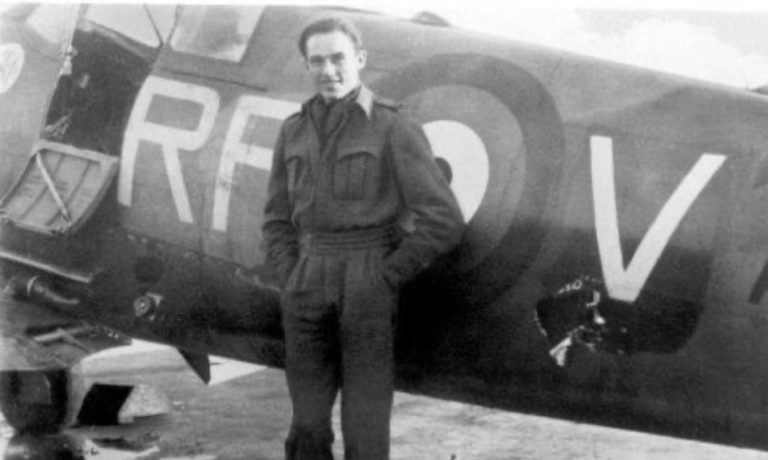
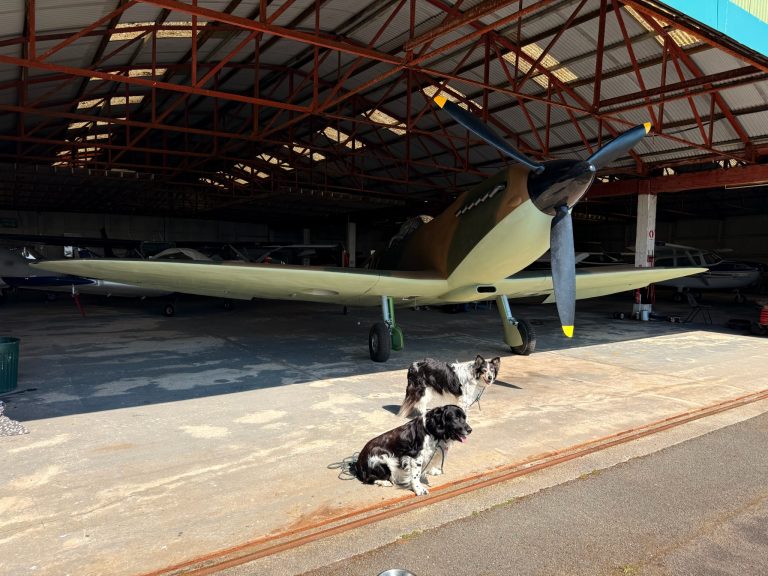
Few aircraft have the enduring appeal of the Supermarine Spitfire. More than 80 years after it first became a national icon, the sight—and particularly the sound—of a Spitfire still has the power to stop people in their tracks.
Is owning a Spitfire achievable for anyone other than high net worth individuals?
It is now. A fully restored original Spitfire can command around £4 million, while the costs of operating one are equally formidable. Its 27-litre Merlin engine consumes fuel at an impressive rate and demands the specialist maintenance expected of an historic high-performance military aircraft. For all but a small number of collectors, genuine Spitfire ownership remains well beyond reach. The Aerolite Spitfire is changing that.
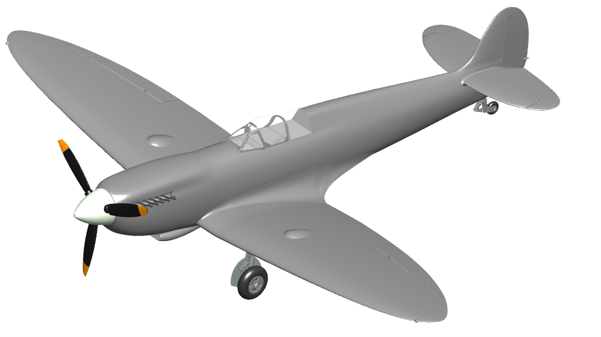
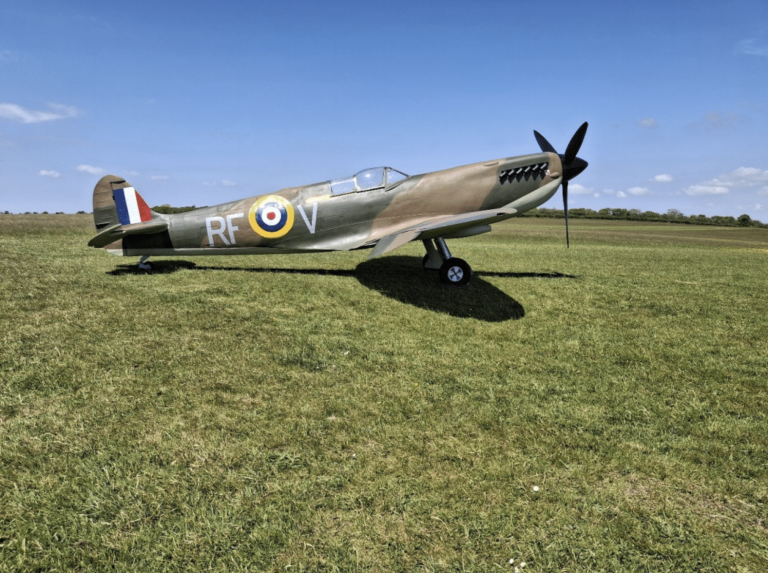
We are creating a 21st-century Spitfire that looks and feels authentic, but is practical for a private pilot —or a small syndicate— to build, own and fly at a realistic cost.
Is a Spitfire for general aviation realistic?
Again, yes. The Aerolite Spitfire is a full-scale, two-seat aircraft conceived specifically for recreational and general aviation use.
It is not intended to reproduce the military performance of an original wartime fighter.
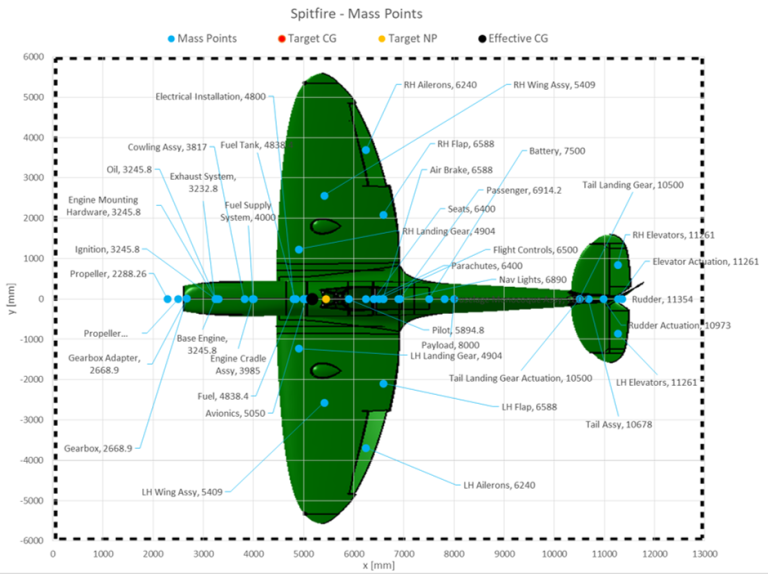
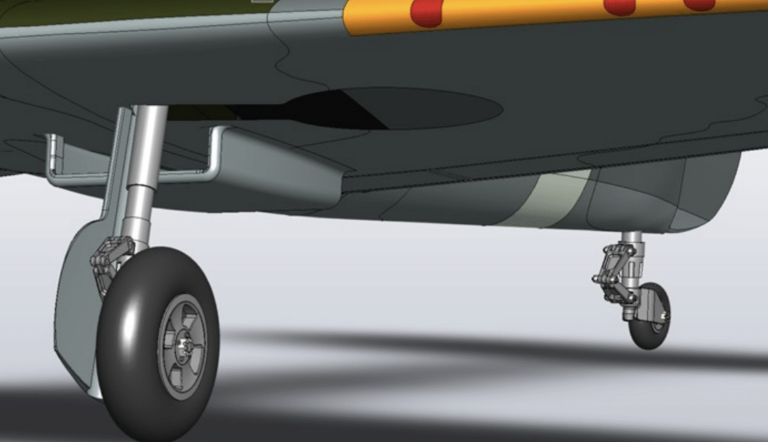
Instead, like the original, its design is laser-focused on the job it will do. The design takes the unmistakable proportions, character and presence of the Spitfire and combines them with contemporary aircraft engineering.
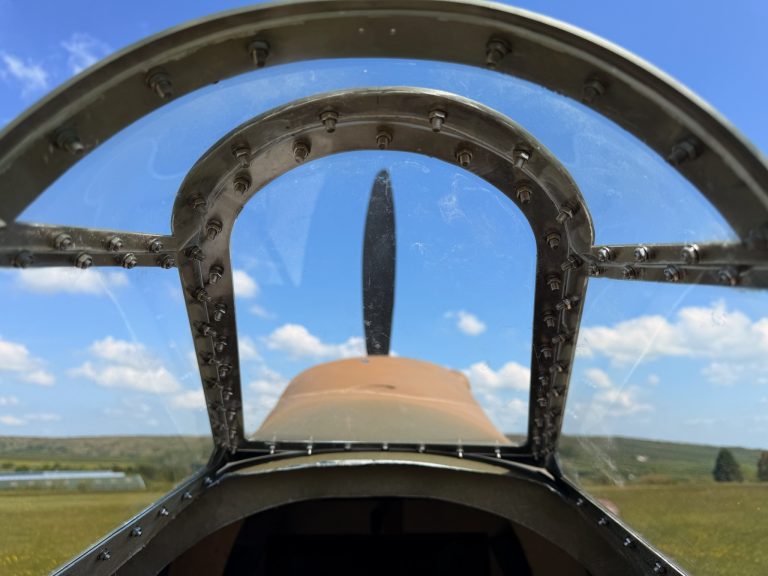
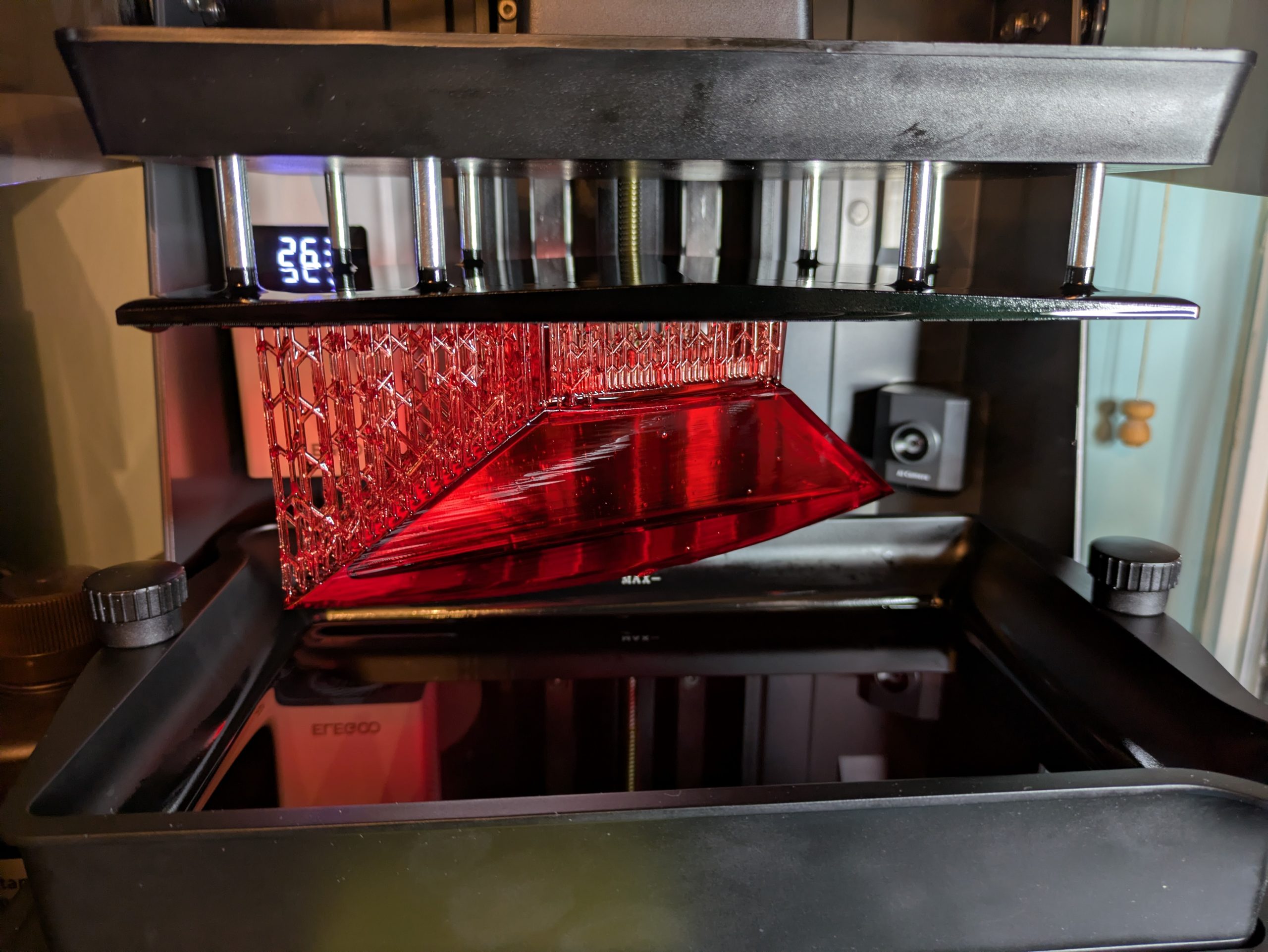
At its heart is a modern carbon, glass and epoxy composite monocoque structure, offering substantial reductions in weight while retaining the graceful geometry that made the Vickers Supermarine original so distinctive.
Power comes from a modern certified aero-engine, designed to operate on sustainable aviation fuel and provide the reliability and service intervals expected of a contemporary aircraft.
The result offers the theatre and experience of Spitfire ownership without many of the financial and operational penalties associated with an octogenarian warbird.
The projected acquisition cost is less than a sixth of that of a restored original Spitfire, while routine maintenance will be much closer to that of conventional modern light aircraft.
Reviving a Wartime Idea
The concept of a composite Spitfire is not entirely new.
In 1940, with wartime Britain facing the possibility of aluminium shortages, work began on alternative materials that might allow aircraft structures to be manufactured without relying so heavily on strategic metals. Among the resulting developments was Aerolite, an early structural composite first investigated for possible use in Spitfire construction.
The idea never progressed to wartime production because the anticipated shortage of aluminium didn’t materialise.
More than eight decades later, the Aerolite Spitfire revisits that concept using materials and manufacturing processes its wartime pioneers could scarcely have imagined.
The modern aircraft is therefore inspired by the composite Spitfire work of 1940 but is an entirely new design.
Familiar Shape, Modern Engineering
Is preserving the visual identity of the Spitfire central to the Aerolite aircraft?
Yes. The elliptical wing, slender fuselage and unmistakable overall proportions remain fundamental to the aircraft’s character. Beneath the familiar outline, however, the structure, systems and engineering have been reconsidered for an entirely different mission.
This is not a fighter being adapted reluctantly for civilian use. It is a new recreational aircraft designed from the outset around the needs of today’s private owner – and delivers the dream.
Contact denise.mullen@aerolite-spitfire.com
#Spitfire #Kitplane #HomebuiltAircraft #GeneralAviation #PrivatePilot #supermarinespitfire #raf #warbirds #avgeek