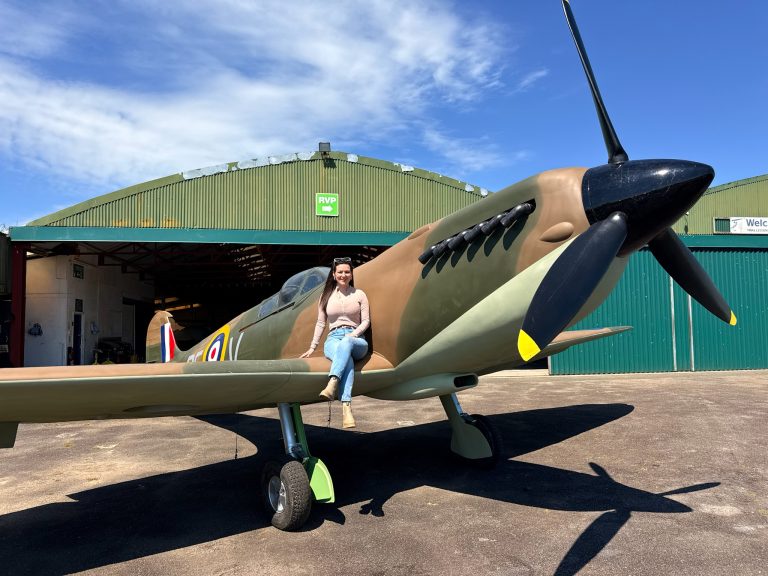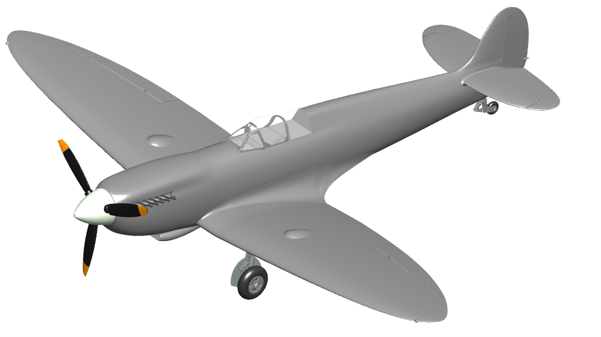
How do you turn a 1,000 hp wartime fighter into a practical Spitfire for today’s private pilot?
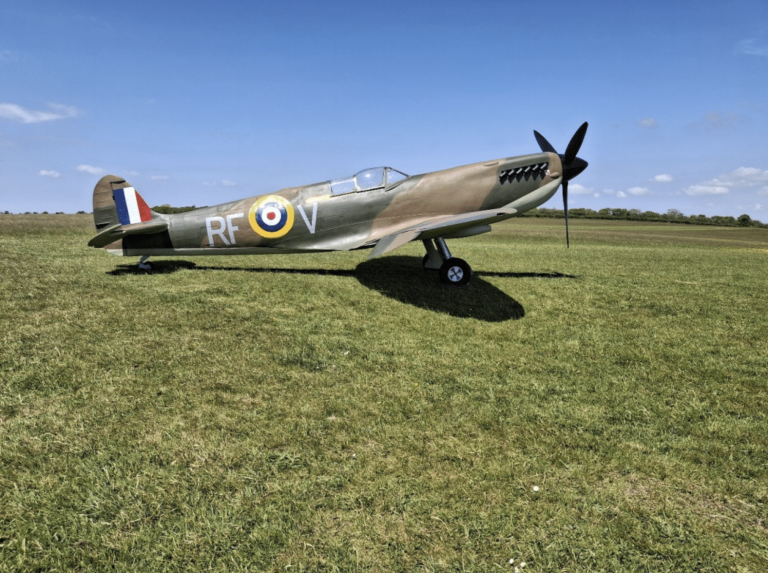
Like this: The Aerolite Spitfire takes a new route — evolving Britain’s most famous fighter to meet today’s private pilots’ requirements.
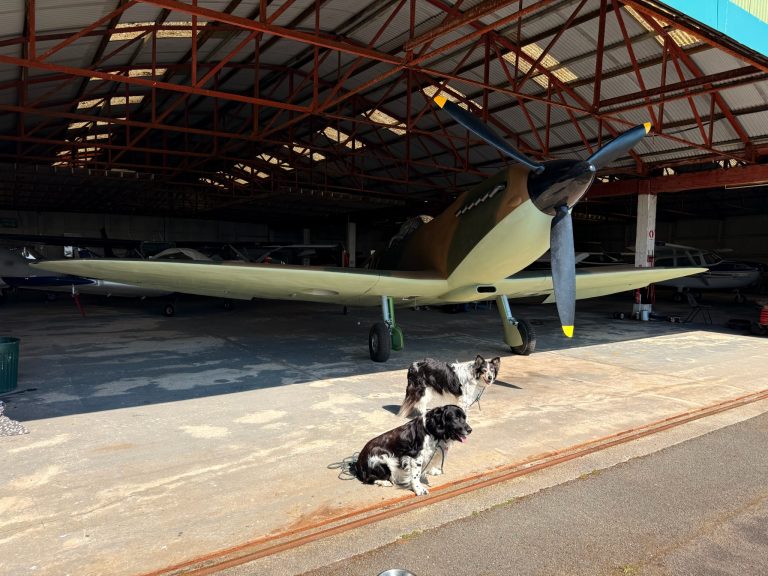
Few aircraft are as instantly recognisable as the Spitfire. Its elliptical wing, long nose and unmistakable silhouette are part of aviation folklore. Reproducing that appearance is one thing. Creating a full-size Spitfire a private pilot could realistically build, own and operate is quite another.
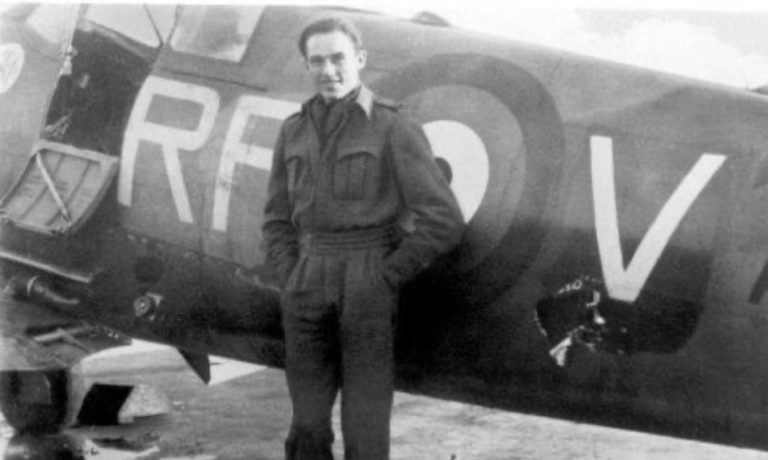
At first sight, comparing it with an early Mk I might seem slightly unfair. One was conceived in the 1930s as a front-line interceptor, designed to climb rapidly, fight at altitude and survive combat. The other is a 21st-century two-seat recreational aeroplane offering the experience of flying a full-size Spitfire without the formidable cost and complexity of owning an original.
Yet the Mk I provides the most revealing comparison of all, because the two aircraft share broadly the same basic aerodynamic envelope while being designed for entirely different purposes.
And that is where things get interesting.
A Spitfire without the wartime requirement – is it still a Spitfire?
Yes. Here’s how. The original Mk I’s Rolls-Royce Merlin engine produced around 1,030 hp and gave an early Spitfire a maximum speed of more than 350 mph. Climb, acceleration, altitude performance and manoeuvrability mattered enormously. Fuel economy, ease of hangarage, crosswind handling and the cost of maintenance scarcely entered the equation.
The Aerolite flips priorities.
It keeps the visual character and essentially full-size proportions of the original, including the same 242 sq ft wing area, but substitutes a modern composite structure, tandem seating and an engine of around 400 hp. The objective is no longer maximum possible performance. It is to produce an aeroplane that is enjoyable to fly, economical enough to use regularly and practical enough to belong in the private aviation world.
That immediately changes almost every engineering calculation.
Less power — deliberately
Perhaps the most striking difference is power loading.
A representative Mk I at around 5,800 lb and 1,030 hp has a power loading of approximately 5.6 lb/hp.
The Aerolite, at a current design weight of around 4,400 lb and approximately 400 hp, comes out at about 11 lb/hp.
In other words, the wartime fighter had roughly twice as much installed power for each pound of aeroplane.
That is not a deficiency in the Aerolite; it is the point.
The Mk I needed enormous reserves of power for climbing, accelerating and fighting. A recreational aircraft does not. Attempting to reproduce that performance would mean carrying hundreds of additional horsepower, together with the extra engine weight, fuel consumption, cooling requirement, maintenance burden and cost that go with it.
The Aerolite’s anticipated maximum design speed is therefore around 220 mph rather than the 350-plus mph of the wartime aircraft. But look at the cruise figures and the comparison is compelling.
A Mk I could cruise economically at about 210 mph. The Aerolite is targeting around 200 mph.
For an aeroplane with less than half the horsepower, that is remarkably close. It says something about just how aerodynamically efficient the Spitfire shape still is.
Lightness changes everything
The two aircraft may have the same wing area, but they carry very different loads.
At around 5,800 lb, the Mk I has a wing loading of roughly 24 lb/sq ft.
Using the Aerolite’s current target of about 4,350–4,400 lb gives approximately 18 lb/sq ft — around 25 per cent lower.
That brings benefits at the lower end of the speed range, including lower take-off and landing speeds and generally more benign low-speed behaviour.
But there is another consequence.
A Spitfire is aerodynamically very clean; very slippery through the air. Give that same generous wing area substantially less weight to carry and, when the pilot closes the throttle to land, the aircraft may be in no great hurry to stop flying.
That means that it will “float” as it enters ground effect – the high-pressure air that it’s forward motion generates beneath the wings.
Experience with one lightweight full-size Spitfire replica has already demonstrated the point: an aeroplane can arrive over the threshold at the correct speed and simply continue floating down the runway as its energy slowly dissipates.
The Aerolite design therefore includes provision for a ventral airbrake to assist the flaps.
Its purpose is not principally to reduce stalling speed. Instead, it gives the pilot a means of increasing drag on the approach, steepening the glide and controlling energy through the flare without compromising the aircraft’s clean shape during normal flight.
It is a small but important detail, and one that illustrates the philosophy behind the whole project: understand the consequences of making the aeroplane lighter, and engineer for them rather than simply copy the original.
The nose isn't longer just for looks
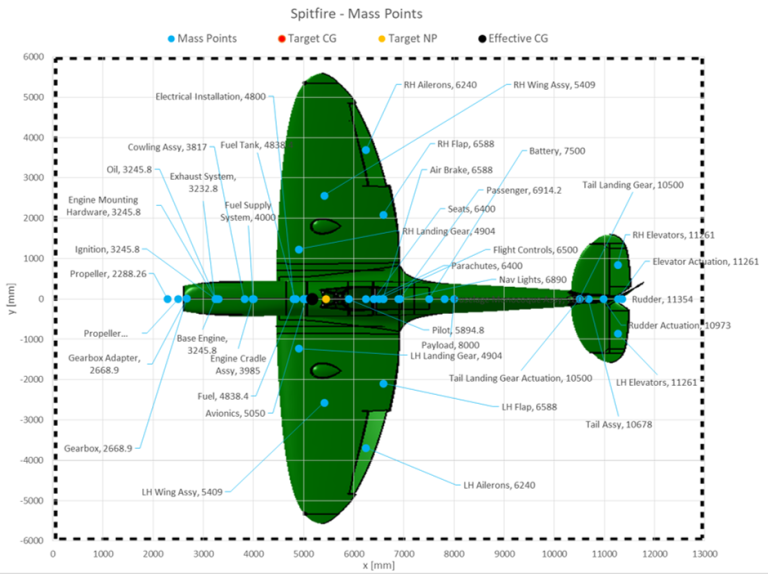
One of the fundamental problems encountered by anyone attempting to build a lightweight full-size Spitfire is the centre of gravity’s position and range.
The Mk I had a large and very heavy Merlin V12 sitting ahead of the cockpit. Replace that with a much lighter modern engine and the centre of gravity inevitably moves aft.
Add a second occupant and the problem becomes more pronounced.
One solution would be to put ballast in the nose. But carrying dead weight simply to make an aeroplane balance would be a crime against engineering and undermine much of the benefit gained from lightweight modern construction.
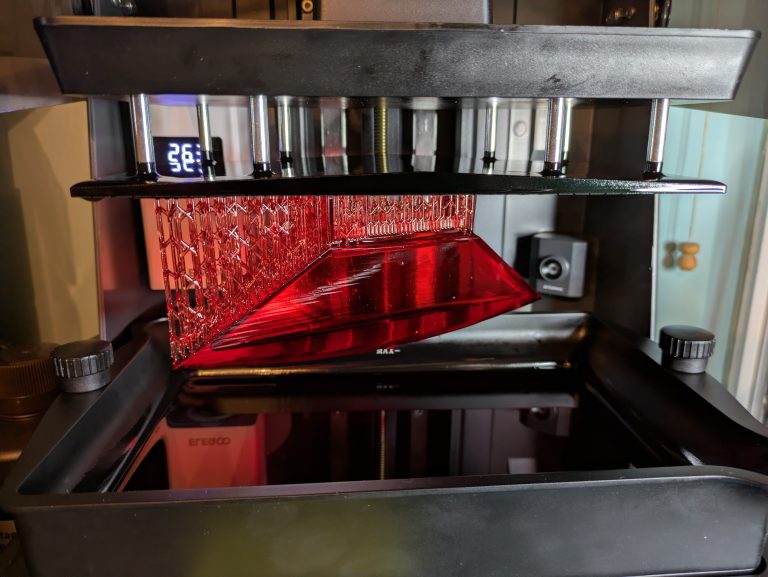
The Aerolite’s nose is lengthened instead, the tandem cockpit is moved forward and, crucially, the weight of the rear fuselage and tail group is substantially reduced – through the use of high-performance carbon-epoxy laminates and a sophisticated structural design.
The longer nose is more than an exercise in styling; the result takes the Aerolite to the same proportions as the later Griffon-engined Mk XlX Spitfire while retaining the overall character of the classic high-back aircraft with the more familiar Mk lX cowling design.
It is evolution dictated by engineering, not cosmetic alteration.
A wider stance
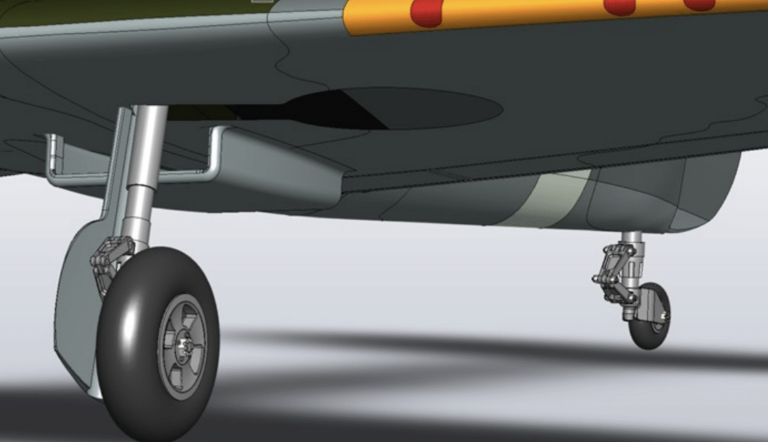
Look directly nose-on at an Aerolite and another significant difference becomes apparent: its undercarriage is considerably wider.
The Spitfire’s original undercarriage track was only about 73 inches.
That narrow stance was appropriate for operating from large, pre-war, grass aerodromes where the practice was to take off and land into wind.
Modern private pilots usually have no such luxury. They operate from fixed runways and must accept whatever crosswind component prevails.
The Aerolite track is 108 inches; 50% wider.
For purists it is an obvious departure from the original specification, but it is also a rational one. On the ground it provides greater lateral stability and makes crosswind operation less demanding; once the wheels have disappeared into the wings, the change becomes irrelevant to the aeroplane’s appearance.
It is another example of the next generation Spitfire putting usability ahead of historical authenticity.
Stability rather than combat responsiveness
The same thinking applies at the other end of the aircraft.
The original Spitfire was very responsive. It was a fighter, and the qualities demanded of it were quite different from those expected of a modern touring aircraft. The Aerolite Spitfire’s tail group volume has not only been lightened but has been increased with the aim of increasing stability and control – the change visually indistinguishable.
Is the Aerolite Spitfire as agile as its ancestors?
The Aerolite Spitfire is an aerobatic recreational aeroplane, with operating structural limit loads of +6g and -4g as per the original aircraft. Currently, vintage Spitfires are restricted to +4g and -2g so the Aerolite Spitfire can perform the same aerobatic routines. With lighter wing-loading the handling philosophy belongs to modern private aviation rather than wartime combat.
Two seats change the experience
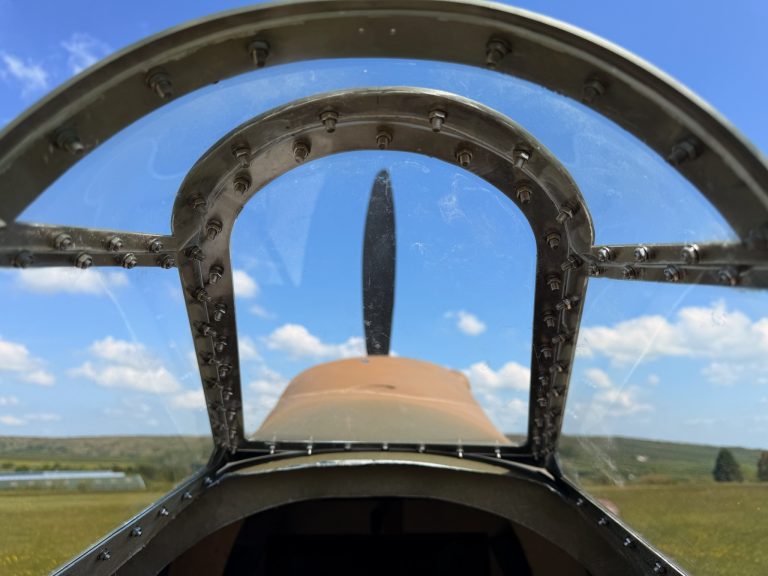
Another change which arguably matters more to a private owner than any performance figure: the Aerolite’s tandem cockpit boasts two seats and dual control so an instructor or safety-pilot can fly the aircraft from the back seat.
For the original fighter pilot, the Spitfire was necessarily a solitary experience. For a private owner, sharing it will always be part of the attraction.
The result is an aircraft capable not simply of delivering the sensation of flying a Spitfire, but of sharing that experience with another pilot, friend or family member.
Range rather than firepower
The difference in mission becomes still clearer when range is considered. A representative Mk I fighter range was around 350 miles. That was appropriate to an interceptor operating within an RAF wartime infrastructure.
The Aerolite is targeting approximately 1,000 miles with an endurance of around 5 hrs plus reserve of 30 minutes.
In this role it is touring rather than interception that is the aim, so endurance and economy are far more important than excess combat power.
The wings are detachable, reducing hangarage requirements and allowing the aircraft to be transported by road — considerations that would have irrelevant to the wartime designer but are very real to a private owner.
Not a replica — a new Spitfire for a new purpose
And that is the point.
The Aerolite Spitfire should not be judged by asking whether it reproduces every technical characteristic of a Mk I. It doesn’t — and isn’t intended to.
The original Spitfire was a weapon. Its priorities were speed, rate of climb, acceleration, manoeuvrability and firepower.
The full-scale Aerolite Spitfire’s priorities are different: lower wing loading, two seats, dual-control, greater stability, improved ground handling, longer range, reduced fuel consumption, modern systems, easier storage and more practical private ownership.
What links the two is the basic aerodynamic form and, more importantly, the experience that form represents.
One might put it this way:
The Mk I was a fighter, designed around the mega-costly requirements of war. The Aerolite is a high-performance, long-range aircraft private fliers will love, that preserves the appearance, presence and handling experience of flying a full-size Spitfire affordably.
Both aircraft enjoy the same cruising speed. Aerolite: a lover, not a fighter.
Contact denise.mullen@aerolite-spitfire.com
#Spitfire #Kitplane #HomebuiltAircraft #GeneralAviation #PrivatePilot #supermarinespitfire #raf #warbirds #avgeek