MOSAIC - Modernization of Special Airworthiness Certification
Sometimes a regulation changes and very little happens. Occasionally, however, somebody moves the goalposts far enough to create an entirely new opportunity. The original Sport Pilot concept was deliberately aimed at relatively simple aeroplanes.
MOSAIC changes that rather dramatically.
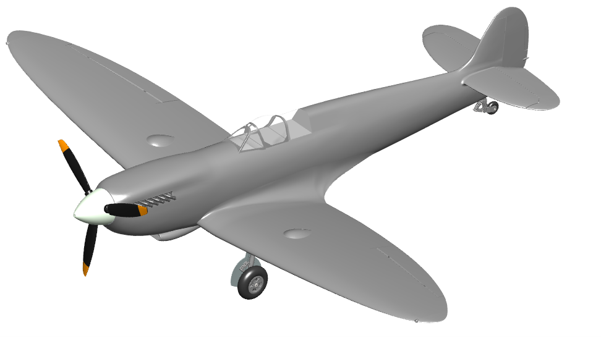
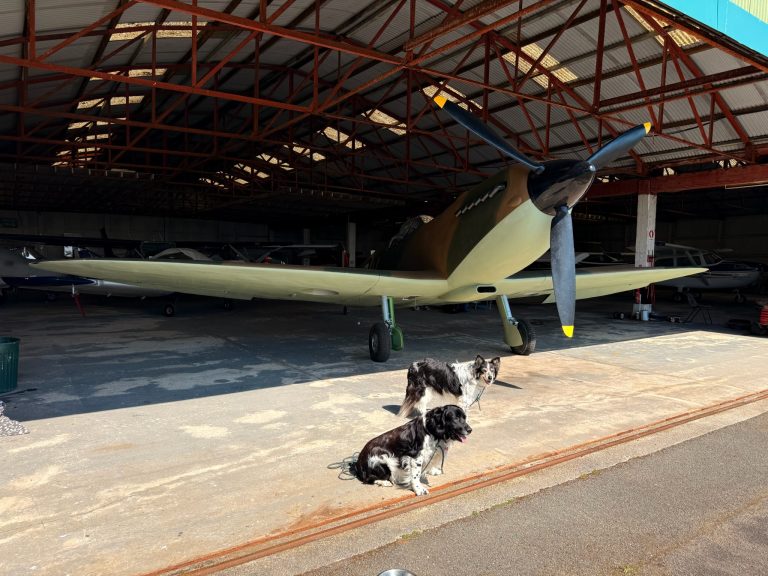
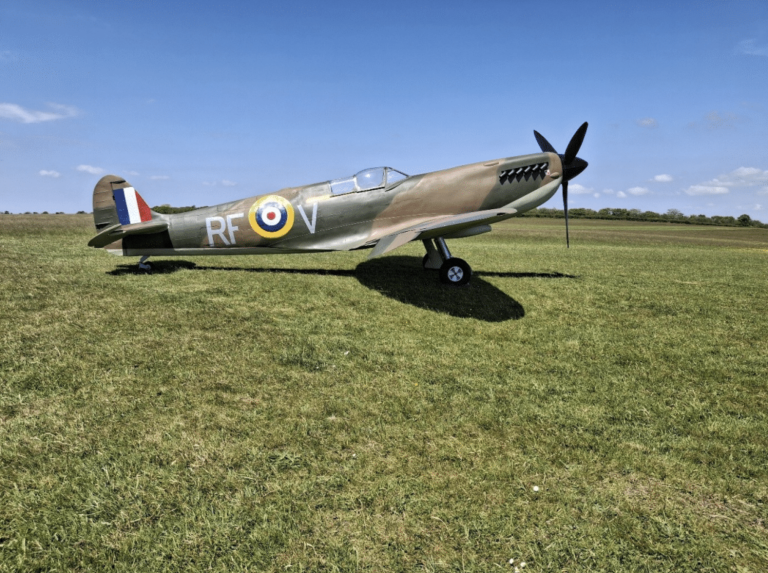
On 24 July 2026, the FAA’s MOSAIC aircraft certification reforms for light sports aircraft came fully into effect. These changes to the regulations remove the previous fixed weight limit, the sub-61 knots calibrated landing-configuration stall speed and the 250 knots maximum continuous-power level-flight speed – opening the door to Aerolite delivering factory-built Spitfires in America – not only kits.
Equally exciting is the expansion of Light Sports Aircraft Pilot privileges (licencing conditions) which came into effect a year earlier increasing the power, weight and complexity of the aircraft LSA pilots are authorised to fly. Taken together these two changes make the Aerolite Spitfire more accessible to the majority of private pilots and flying clubs in the USA.
The new rules create two significant opportunities:
1. Opportunity to offer a Factory-built aircraft
- Complete, ready-to-fly aircraft for a much wider customer market.
- Increased opportunities for kit sales alongside factory production. – driving a scalable manufacturing business
- Greater numbers of completed aircraft and much quicker to the flight line.
2. Far larger potential customer base
- Wider flying privileges for suitably qualified sport pilots. increasing the power, weight and complexity of the aircraft LSA pilots are authorised to fly. This puts the Aerolite Spitfire within reach of the LSA pilot seeking a long range high performance aerobatic aircraft.
- Under the new rules flying clubs will be able to offer training, hire and other experiences which cannot be offered by a home built aircraft.
- Private owners will now be able to purchase the completed, read-to-fly aircraft instead of having to build a kit.
More Than One Route to America
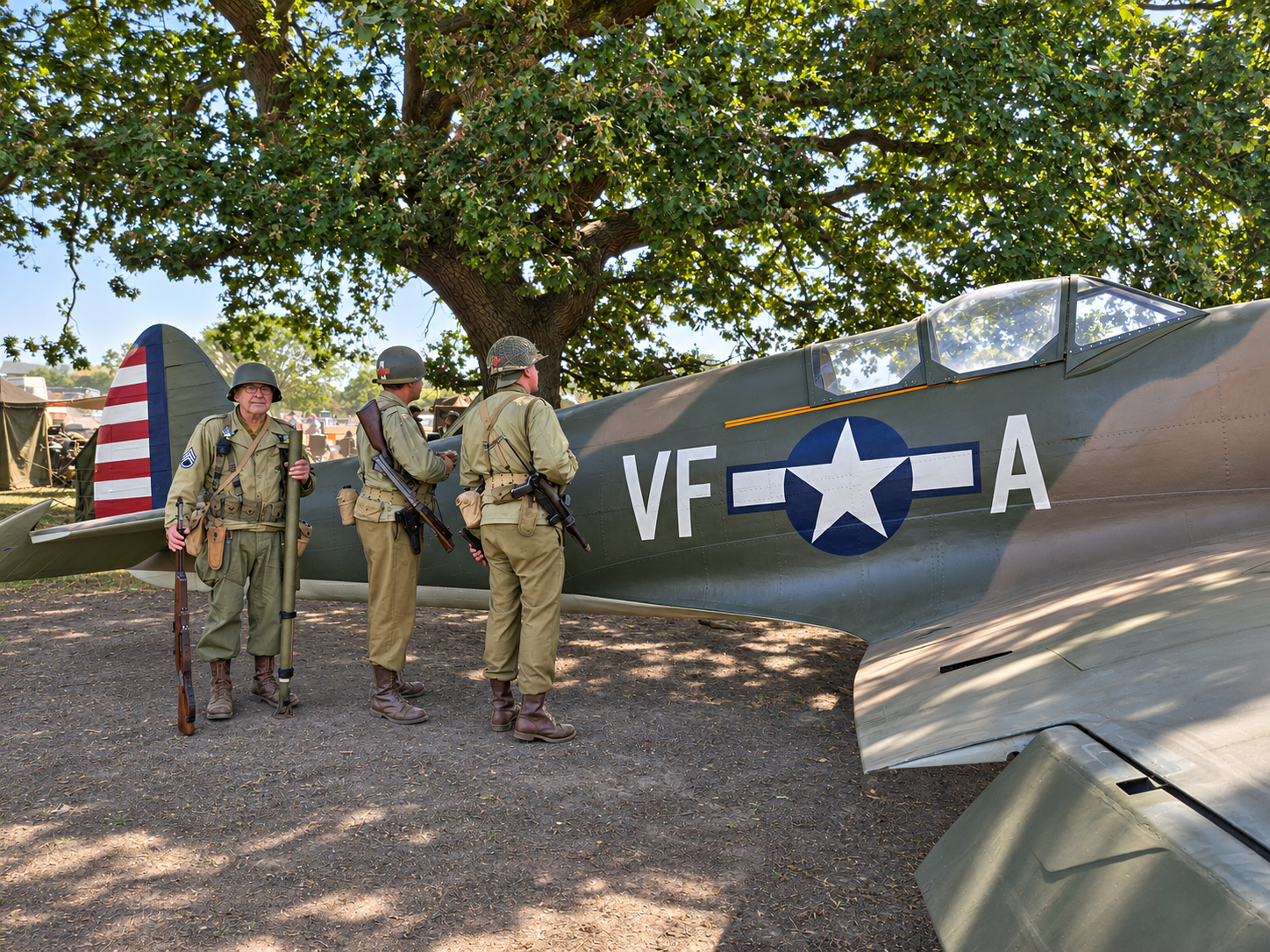
The availability of three distinct regulatory routes gives Aerolite the opportunity to address a broader US market by offering the same core aircraft proposition in different formats – from customer-built kits to factory-built, ready-to-fly aircraft. This flexibility allows Aerolite to target different customer preferences, experience levels and budgets.
| Route | What it permits and the benefits | ||||||
|---|---|---|---|---|---|---|---|
|
1. Experimental Amateur-Built
(E-AB) – Kits |
Customers purchase a kit and build their own Aerolite, satisfying the FAA’s 51% amateur-builder requirement. Benefits: Established route to market, relatively low regulatory barriers for the manufacturer and appeals to experienced homebuilders seeking a high-performance aircraft they can build and operate privately. |
||||||
|
2. MOSAIC
Light-Sport (LSA) – Turnkey |
Aerolite manufactures and sells complete, factory-built, ready-to-fly aircraft, subject to meeting MOSAIC eligibility requirements. Benefits: Opens the market to customers who want to fly rather than build, creating a premium turnkey product with potential for higher selling prices, dealer distribution and after-sales revenue. |
||||||
|
3. Experimental Light-Sport (E-LSA) – Kits |
Customers assemble their own aircraft under the E-LSA category, without the E-AB 51% amateur-builder requirement. This route requires an eligible aircraft to have first been certificated as an S-LSA. Benefits: Offers a more accessible alternative to traditional amateur-built kits and expands the potential customer base. |
||||||
Due to its design parameters such as weight and stall speed, the Aerolite Spitfire will be a very attractive offering which is compliant with both factory-built MOSAIC requirements and those for the wider Sport Pilot customer market.

If you would like to explore the thinking, history and engineering behind the Aerolite Spitfire in more detail, follow the story through the articles below.
Each piece stands on its own, but read in sequence they chart the journey from the original wartime thinking, through design and engineering development, to the commercial vision for the aircraft today.
1. Aerolite Spitfire – An Overview
2. The Aerolite Spitfire Design Challenge
3. An Idea Born from Wartime Necessity.
4. Why Doesn’t the Aerolite Spitfire Use A Merlin Engine?
5. From Concept to Full Scale Development.
6. Engineering Development and LAA Oversight
7. Commercial Development and Market Validation.
8. Every Pilots Dream Just Got Wings.
10. Same Shape, Different Mission
12. Built to Thrill – Designed to Protect
13. Aerolite Spitfire sets it sights on the States
Contact denise.mullen@aerolite-spitfire.com
#Spitfire #Kitplane #HomebuiltAircraft #GeneralAviation #PrivatePilot #supermarinespitfire #raf #warbirds #avgeek